


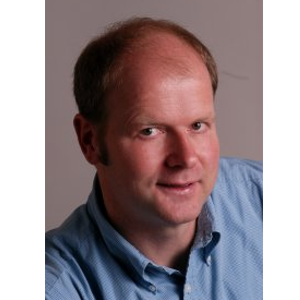
Kai Vetter
Dr. Kai Vetter is a Professor in the Department of Nuclear Engineering at the University of California, Berkeley and Faculty Senior Scientist and Head of the Applied Nuclear Physics program at the Lawrence Berkeley National Laboratory. He is director of the Institute for Resilient Communities that was established in 2015 to address the need to better integrate advancements in sciences and technologies with communities through education and outreach locally and globally. Prof. Vetter initiated and still leads the Berkeley Radwatch and DoseNet programs.
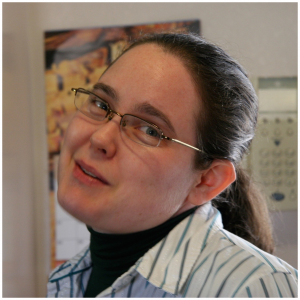
Ali Hanks
Ali Hanks is a Research Scientist and Lecturer in the Nuclear Engineering department at UC Berkeley. She works under Prof. Kai Vetter as a member of the radiation imaging group, mentoring graduate and undergraduate students in nuclear science research. Dr. Hanks operates as the day-to-day lead for the RadWatch and Dosenet teams and runs a summer internship program for high school students sponsored by this outreach program.
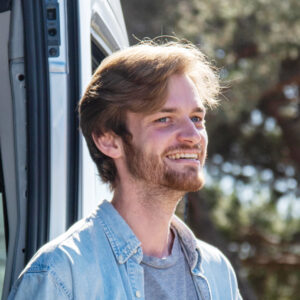
Chris Lamb
Chris is a PhD student primarily acting as a resource for other undergraduate researchers involved with DoseNet and RadWatch or helps with public education at outreach events .
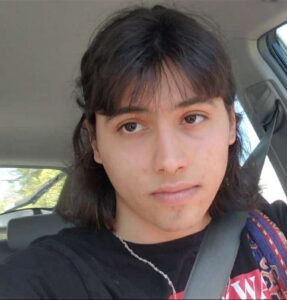
Dani Solakian
Dani Solakian is an Undergrad Student Researcher working with the Dosenet/Radwatch team to educate, empower, and provide tools for the public to understand radiation and the environment surrounding them.
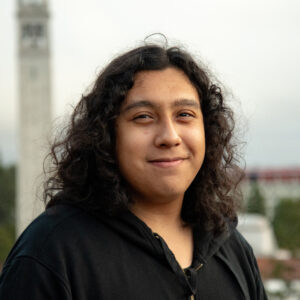
Gilder Montepeque
Gilder is a senior at UC Berkeley majoring in Nuclear Engineering. He is currently working on neutron activation analysis, software development, and outreach events. He bought a fridge from Ben lmao.
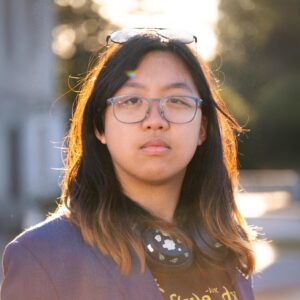
Kat Leong
Kat is a UC Berkeley junior majoring in Nuclear Engineering (CO'28), with a minor in Materials Science & Engineering. They are currently working on the development of new DoseNet devices, optimizing hardware calibration and maintenance, and conducting outreach events for the group.
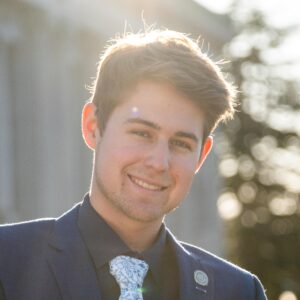
Edward Owen Koijane
Edward is a Freshman at UC Berkeley Majoring in Physics/Astrophysics, with an intended minor in Nuclear Engineering. He focuses specifically on particle/nuclear physics and aspires to be an experimentalist. Currently, he assists in building and maintaining DoseNet’s systems and is interested in Outreach and Sample Measurement Systems.
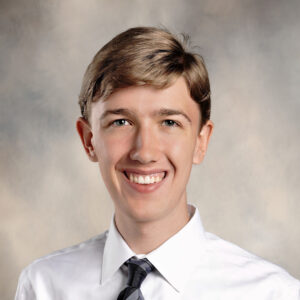
Sam Wolf
Sam is a freshman at UC Berkeley majoring in Nuclear Engineering intending to minor in Middle Eastern Languages and Culture. He is passionate about nuclear outreach and education as well as radiation detection.
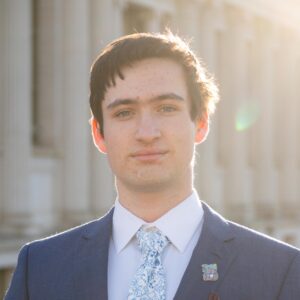
Emilien Strudel
Emilien is a freshman at UC berkeley majoring in Nuclear Engineering. With a passion for research and development, he is currently working on refining analysis techniques, ground sample measurement, network device development, and the establishment of more robust data collection frameworks.
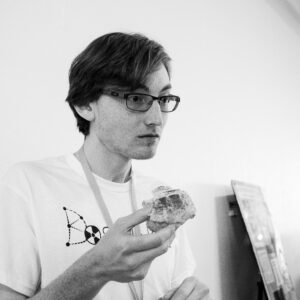
Alex Block
Alex "Grass" Block was a UC Berkeley freshman studying Norwegian Studies but mispelled it and settled for Nuclear Engineering. He is currently supposedly focusing on calibrating DoseNet devices... if only he wasn't eating our sources before he could finish.

Elliot Dutnall
Elliot is a junior at UC Berkeley majoring in Astrophysics and Physics with a minor in Nuclear Engineering. He is currently working on analyzing soil sample gamma spectra and neutron activation analysis.
 English
  Español de México